
BLOG
Online Course Creation, Self-Sabotage Coaching and Creating a Thriving Course Business

From Brecon Beacons to Breakthroughs
Why Community is the Secret Ingredient Your Online Course Needs
Last weekend, I packed my bags, left my laptop behind (which is a big thing in my books) and headed to the glorious Brecon Beacons for a retreat with a group of extraordinary women. No signal, no Zoom calls, no Canva templates screaming for attention - just nature, some hilarious laughter, honest conversations, soulful body movements and some tears.
You know those weekends that don’t just recharge your batteries but rewire your whole brain? That was one of them. I arrived exhausted and slightly crispy around the edges. I left feeling seen, held, and hilariously human again.
And here’s the thing that always gets me: I know the science behind connection. I’ve read the studies. I’ve taught the workshops. I’ve even built an entire business around helping people connect with their learners.
But it still catches me off guard - how powerful it is to be surrounded by people who get you. Who cheer for your wins, hold space for your struggles, and remind you who you are when your inner critic is being especially loud and obnoxious.
That long weekend reminded me just how vital community is for any kind of transformation.
And naturally, because I’m an online course consultant, this got me thinking:
Why are so many courses still being created in complete isolation - and delivered in ways that keep learners isolated, too?
Let’s talk about that.

Why Course Creators Should Care Deeply About Community (and Not Just for Warm Fuzzies)
If you’re building an online course and you want your learners to actually finish it, apply what they’ve learned, and transform their lives or businesses, here’s a bit of tough love:
· Content alone isn’t enough.
· Access to you alone isn’t enough (but it’s a great place to start).
· A fancy platform, 4K videos, or colour-coded worksheets? Definitely not enough.
But community? That’s the magic sauce.
Let’s peek behind the curtain at the psychology behind this.
1. Community drives engagement and completion.
According to Self-Determination Theory (Ryan & Deci), one of the three essential human needs for intrinsic motivation is relatedness—the feeling of being connected to others. When your learners feel part of something, they’re more likely to show up, stick around, and do the work.
In other words:
People don’t ghost your course because it’s boring—they ghost because they feel alone.
Studies on online learning environments consistently show that learners with access to community spaces—like forums or group chats—are significantly more likely to complete the course.
2. Community encourages real-world application.
Remember Bandura’s Social Learning Theory? We learn through observing and interacting with others. In course communities, learners get to witness their peers applying new concepts, stumbling through challenges, sharing wins and failures alike. It creates a subtle peer accountability.
That “oh look, she’s trying that too!” moment can be the nudge someone needs to take action themselves.
3. Community supports transformation.
Deep change - the kind your course promises - doesn’t just happen through information download. It happens through identity work. According to Transformative Learning Theory (Mezirow), reflection and dialogue are key to helping learners reshape how they see themselves and the world.
And where do reflection and dialogue thrive?
That’s right: in community.
Also, if we zoom out into Positive Psychology, the science is clear: supportive social networks are one of the strongest predictors of long-term wellbeing (Seligman; Fredrickson). If your course is designed to support your learners’ growth, development, or resilience - then a connected, safe, and vibrant community space should be part of your offer. Not an afterthought.
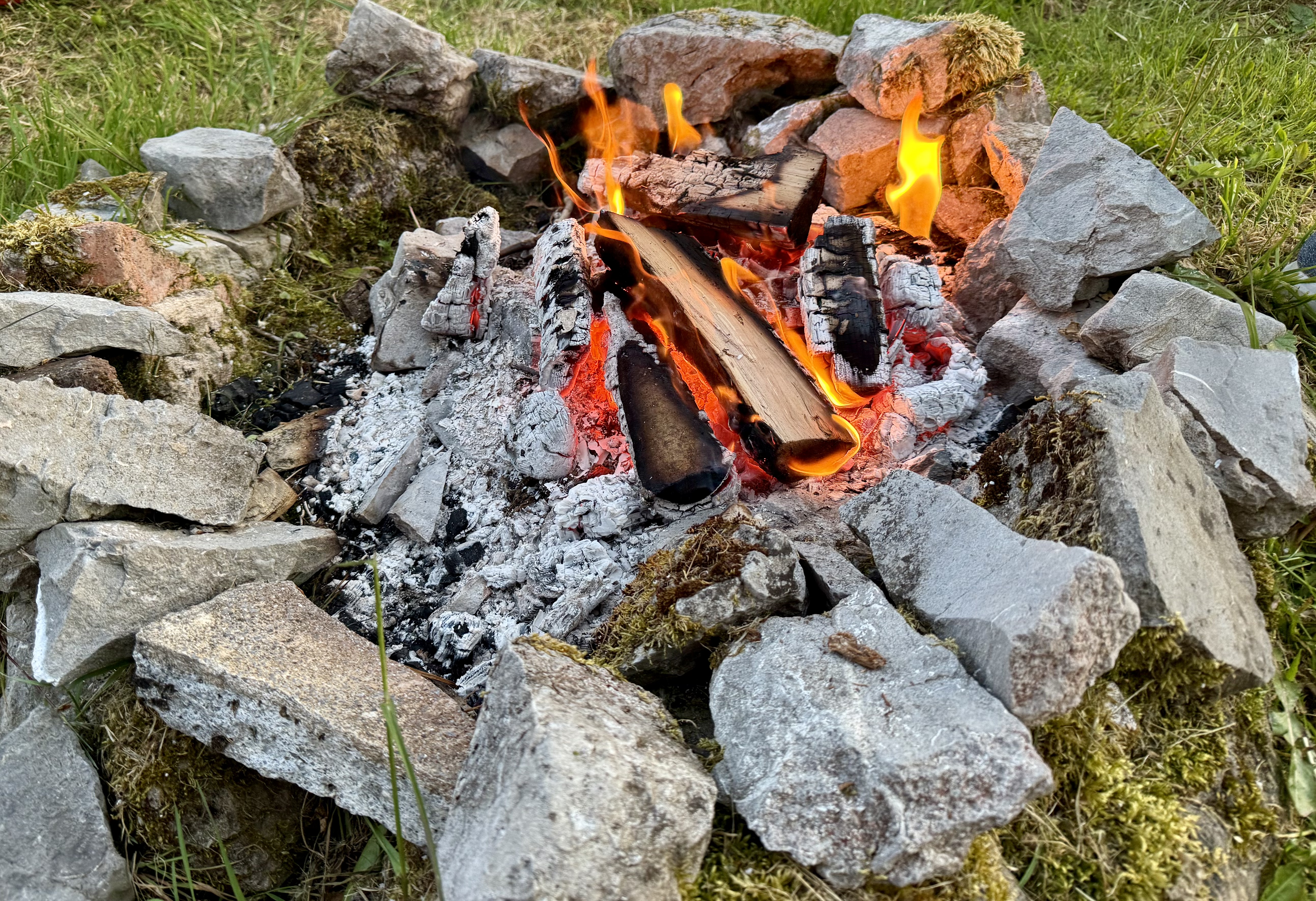
OK, I'm Convinced. But How Do I Build a Community Around My Course?
Great question. And no, it doesn’t require you to become a 24/7 Slack moderator or turn into someone who says “fam” unironically in every message.
Here are some practical ideas that don’t require you to be an extrovert or glued to your screen:
1. Start with small, guided interactions.
Don’t just plonk people into a Facebook Group and hope for magic. Give them structure.
Try this:
Start with a “Welcome Prompt” thread: “Tell us where you’re joining from, your course goal, and one weird talent you have (I’ll go first…)”
Weekly reflection check-ins or challenges.
Share wins Friday / Moan Monday threads (yes, you can make them fun!).
People often need permission to interact. Be the host. Lead by example.
2. Be present—strategically.
You don’t have to live in your group or community space. But showing up consistently and meaningfully builds trust.
Try this:
Go live once a week for 10 minutes with a thought, encouragement, or quick tip.
Comment on at least 3 - 5 student posts weekly.
Celebrate member milestones (even small ones!).

3. Create opportunities for peer connection.
You don’t have to be the sole connector. Let your learners learn from - and lean on - each other.
Try this:
Buddy systems or accountability pairs.
Small group Zoom co-working or implementation sessions.
Member-hosted Q&As where your learners share something they’ve implemented.
4. Integrate community into your course design.
Don't make it an optional add-on. Weave it into the fabric of your course.
Try this:
Assignments that require peer feedback.
Discussion prompts linked to each module.
Reflection journals shared in a private group or thread.
5. Protect the vibe.
A good community needs psychological safety. That means having clear rules (no spam, no unkindness, no unsolicited pitching), moderating gently but firmly, and modelling vulnerability yourself.
Because here's the truth:
People open up when they feel safe. They transform when they feel seen.

Final Thoughts (and a Bit of Cheesy Honesty)
I came back from the retreat in Wales with my heart cracked open, my ideas flowing, and my courage gently refilled. Not because someone handed me a step-by-step guide to life, but because I spent time with people who reminded me that we don’t have to do this alone.
If you’re building a course that aims to change lives - even in small, meaningful ways - don’t forget to build the container for that change to stick.
Community isn’t a bonus feature.
It’s the scaffolding that holds the whole transformation in place.
So go on. Build your village.
Even if it starts with just five learners and a shared Google Doc.
That might be all it takes to turn a lesson into a legacy.
Your turn:
Have you ever been part of a learning community that truly made a difference in your life? I’d love to hear about it - leave a comment below or drop me an email. And if you’re currently building your course and wondering how to infuse it with more connection and support, you know where to find me.
Monika


GRAB YOUR FREE STARTER KIT!
The 1:1 Service Providers' Course Creation Starter Kit
Thinking of turning your 1:1 service into an online course?
This free Course Creation Starter Kit helps you figure out where a course fits in your business, choose the right course type, pinpoint your ideal learner, validate your topic (yes, including preselling!), and create a transformation promise that sells.
Perfect for coaches, consultants, VAs & creatives ready to scale sustainably.
Download now and get clarity fast!
© Copyright 2025 Monika Kajtar Consulting.
By exploring our site, you're automatically embracing our Privacy Policy and Website Terms & Conditions – thanks for being here!